
Many Taekwondo practitioners, whether beginners or advanced athletes, often face performance barriers because of a few common technical mistakes. These habits may seem small, but they can affect power, balance, speed, and overall progress. By understanding these frequent errors and learning how to correct them, students can train more efficiently, improve faster, and reduce the risk of injuries. Valiant Taekwondo Club emphasizes the importance of identifying these mistakes early so every student can build strong fundamentals and achieve long-term success. Let’s have a look at the top 10 Taekwondo mistakes you are doing.
1) Dropping Your Hands When You Kick
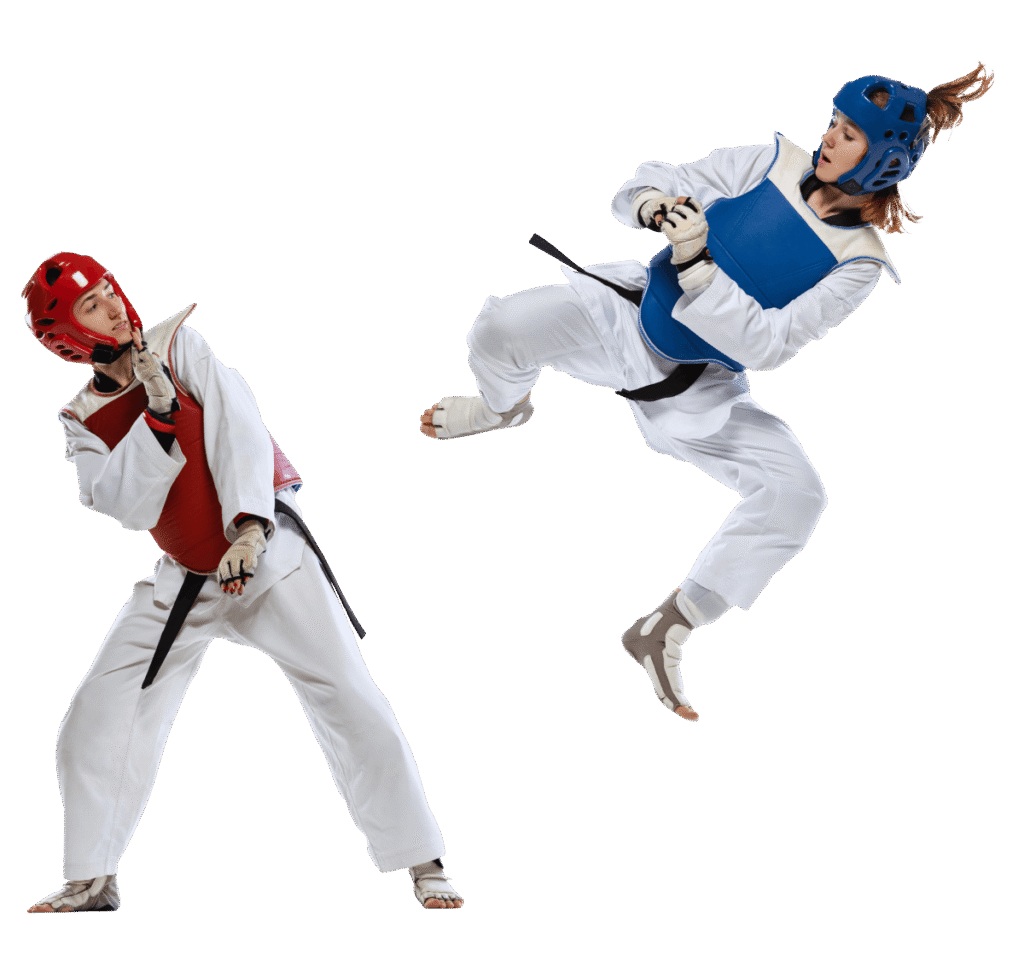
Many students lower their hands when they kick, leaving them vulnerable to counterattacks and reducing stability. Keeping your guard up maintains balance and protection.
How to fix it: Practice slow, controlled kicks in front of a mirror while focusing on keeping your guard tight.
2) Skipping Warm-Ups and Mobility Training
Fast, high kicks demand excellent hip mobility and joint readiness. Skipping warm-ups increases injury risk and reduces kicking height.
How to fix it: Spend at least 8–12 minutes on dynamic movements like hip circles, leg swings, and light kicks before training.
3) Neglecting Strength and Conditioning
Taekwondo isn’t just about technique. Strong legs, hips, and core muscles are essential for stable, powerful kicks.
How to fix it: Add simple strength exercises such as squats, lunges, and step-ups twice a week to build power and injury resistance.
4) Practicing Bad Technique at Full Speed
If you practice a mistake repeatedly at high speed, your body learns it as the “correct” movement.
How to fix it: Slow down. Break the kick into phases, practice them slowly, then increase speed only when form is perfect.
5) Overusing One Leg and Ignoring the Other
Most athletes favor one leg for kicking. This creates muscle imbalance and increases injury risk.
How to fix it: Make sure both legs perform an equal number of repetitions. Include single-leg balance and strength drills.
6) Training Only Technique and Skipping Sparring or Reaction Drills
Static kicking is helpful, but Taekwondo in real time requires reflexes and decision-making.
How to fix it: Add reaction-based drills such as responding to cues from a partner or instructor. Include controlled sparring rounds each week.
7) Poor Footwork and Slow Stance Transitions
Good footwork is the foundation of effective kicking, defense, and distance control.
How to fix it: Practice stepping, sliding, pivoting, and angle changes regularly. Combine footwork with simple kicks to build timing.
8) Not Recording or Reviewing Your Training
Without visual feedback, it’s difficult to see errors in posture, timing, or balance.
How to fix it: Record short clips of your kicks or sparring sessions weekly. Review them with your coach and set small improvement goals.
9) Ignoring Injury Signs
Many athletes push through pain, risking longer recovery times.
How to fix it: If you feel sharp or persistent pain, rest and consult a coach or physiotherapist. Gradually return to training with controlled movements.
10) Training Without a Structured Plan
Random training sessions lead to slow progress and plateaus.
How to fix it: Follow a weekly schedule that includes technique, strength, mobility, sparring, and rest. Track your progress in a simple notebook or app.
Correcting these common mistakes can dramatically improve your Taekwondo journey. Training becomes safer, more efficient, and more enjoyable when you focus on smart, consistent practice. If you train at Valiant Taekwondo Club, share your improvement goals with your instructors , their expert guidance will help you progress even faster.