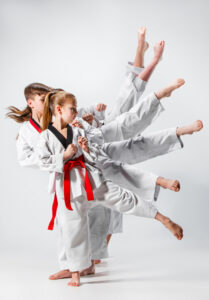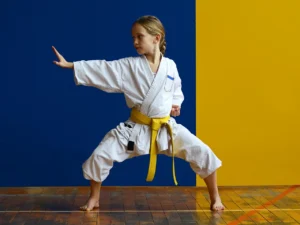
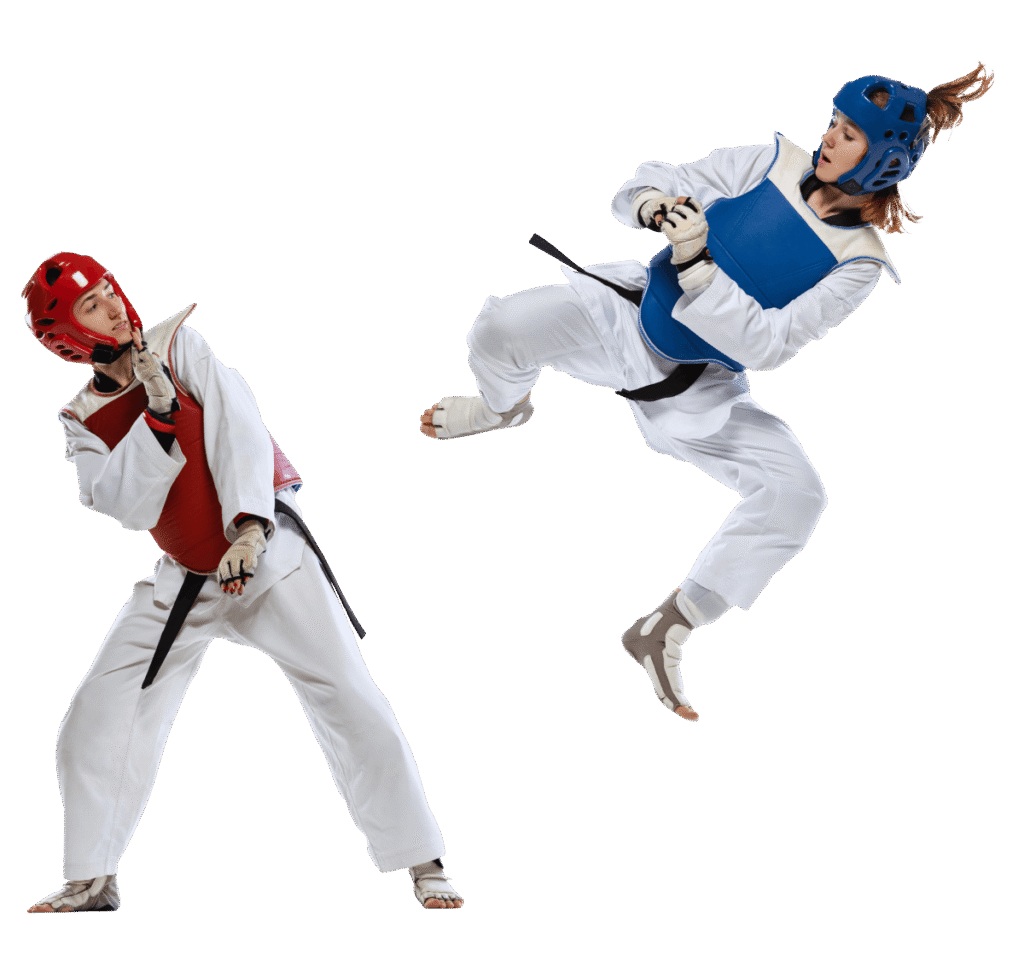
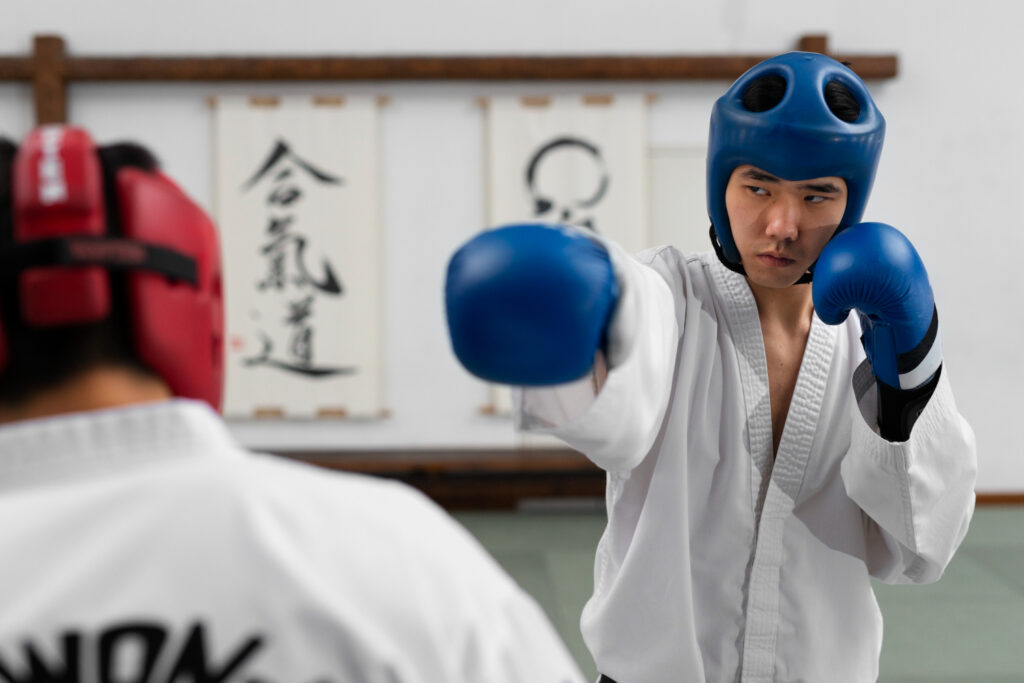
Taekwondo is more than a martial art—it is a powerful blend of tradition, discipline, and physical mastery that has evolved over thousands of years. At Valiant, we believe in preserving this heritage while offering high-quality coaching, especially for kids and women who want to build confidence, fitness, and real self-defense skills. Let’s have a look at the The History of Taekwondo, From Ancient Korea to Global Martial Art.
1. Ancient Roots: The Birth of Korean Martial Arts
The beginning of Taekwondo can be traced back over 2,000 years to the Three Kingdoms of Korea—Goguryeo, Baekje, and Silla. During this time, warriors practiced early martial arts like:
● Subak (수박)
A combat system focused on open-hand strikes, grappling, and body conditioning.
● Taekkyeon (택견)
A flowing martial art known for its powerful kicks, footwork, and dynamic movement. Many historians consider Taekkyeon the closest ancestor to modern Taekwondo because of its emphasis on kicking.
Goguryeo tomb murals discovered by archaeologists clearly depict fighters performing high kicks and combat stances similar to the techniques used today.
2. The Influence of the Hwarang Warriors
During the Silla Dynasty, the rise of the elite Hwarang warriors had a major impact on Korean martial arts. These young fighters were trained in:
- Combat and military skills
- Martial arts
- Philosophy
- Music, culture, and leadership
They followed the Hwarang Code, which focused on loyalty, courage, respect, and moral discipline. These values later became the philosophical backbone of Taekwondo’s modern principles: Courtesy, Integrity, Perseverance, Self-Control, and Indomitable Spirit.
3. Development During the Joseon Dynasty
In the Joseon Dynasty (1392–1910), martial arts training became more structured and documented. The military manual Muye Dobo Tongji was published, recording 24 classical martial techniques, including armed and unarmed fighting styles.
Although the emphasis on academic pursuits reduced formal martial arts practice, traditional Korean techniques continued to survive through communities, soldiers, and family lineages.
4. Taekwondo During Japanese Occupation (1910–1945)
The Japanese occupation brought strict suppression of Korean culture, which meant martial arts were often discouraged or banned. Many Koreans trained secretly, while others were exposed to Japanese Karate and Chinese martial arts.
These experiences influenced the formation of early Taekwondo schools after Korea regained freedom.
5. Modern Taekwondo Takes Shape (Post-1945)
After the liberation of Korea, several martial arts schools—called kwans—were founded. Each had its own techniques and influences. Some well-known kwans include:
- Chung Do Kwan
- Song Moo Kwan
- Moo Duk Kwan
- Ji Do Kwan
- Chang Moo Kwan
In 1955, Korean martial arts leaders unified these styles under the name Taekwondo, meaning:
- Tae – Foot
- Kwon – Fist
- Do – The way/path
This marked the beginning of Taekwondo as the modern martial art we practice today.
6. Global Expansion and Sport Development
● Major Milestones
- 1959: Formation of the Korea Taekwondo Association
- 1972: Establishment of Kukkiwon (World Taekwondo Headquarters)
- 1973: Formation of the World Taekwondo Federation (now WT)
● Spread Across the World
Korean masters traveled globally, teaching Taekwondo in military bases, universities, and community dojangs. Its dynamic kicks, structured training, and emphasis on respect helped it gain rapid popularity.
7. Taekwondo Becomes an Olympic Sport
A major turning point in Taekwondo history came with its inclusion in the Olympic Games:
- 1988 Seoul Olympics – Demonstration sport
- 2000 Sydney Olympics – Official medal sport
Today, Taekwondo is practiced by over 80 million people across more than 200 countries, making it one of the most widespread martial arts in the world.
8. The Purpose and Philosophy in Modern Times
Modern Taekwondo blends self-defense, athletic training, and personal development. It helps students build:
- Confidence
- Discipline
- Strength and flexibility
- Mental focus
- Self-defense ability
- Leadership qualities
This balance makes Taekwondo suitable for all ages—from children to adults, beginners to athletes.
Taekwondo’s rich history—from ancient kingdoms to the global Olympic stage—shows why it is one of the most respected martial arts worldwide. At Valiant, we are proud to continue this legacy by offering some of the best Taekwondo coaching for kids and women, focusing on discipline, fitness, and effective self-defense. Whether you’re starting fresh or looking to grow, Valiant is here to guide you every step of the way.