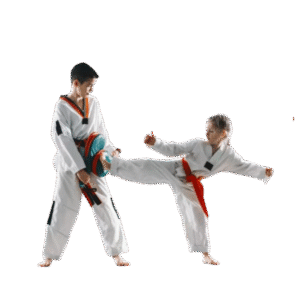



The journey through Taekwondo is shaped by discipline, skill-building, and continuous personal growth. One of the most motivating parts of this journey is the belt system, which visually represents a student’s progress and dedication. At Valiant Club, every student is guided step-by-step through each belt level with structured training that helps them advance confidently and develop strong martial arts fundamentals.
Understanding the Meaning Behind Taekwondo Belts
Taekwondo belts are more than just colored fabric worn around the waist—they carry deep meaning rooted in Korean martial arts philosophy.
Each belt color symbolizes a stage of learning and personal development, helping students stay motivated with clear goals and milestones.
Belt Colors and Their Symbolism
White Belt – The Beginning
White represents a fresh start. Beginners at this stage learn the foundations: basic stances, blocks, straight punches, and dojang discipline.
Yellow Belt – Laying the Foundation
Yellow symbolizes the seed taking root. Students begin understanding structured movement, early poomsae patterns, and controlled kicking.
Green Belt – Visible Growth
Green indicates progress and development. Skills become sharper, balance improves, and combinations start taking shape with more confidence.
Blue Belt – Reaching Higher
Blue represents growth toward the sky. Students refine techniques, build powerful kicking skills, and prepare for more advanced poomsae.
Red Belt – Power with Control
Red symbolizes danger and awareness. Students at this level gain strength and speed but must practice discipline and humility.
Black Belt – Beginning of Mastery
Contrary to what many believe, the black belt is not the end. It marks the start of true mastery and deeper learning, with several Dan levels to progress through.
How Belt Progression Works in Taekwondo
Progressing through belts is a structured process that includes:
- Consistent training
- Demonstrating improved skill
- Passing belt examinations
- Showing discipline, respect, and proper etiquette
Students typically move from White → Yellow → Green → Blue → Red → Black, with each level requiring increased dedication and capability.
What Happens During a Taekwondo Belt Test?
A belt test evaluates the student’s readiness through several core components:
1. Poomsae (Forms)
Shows technique, balance, rhythm, and precision.
2. Basic Techniques & Kicking
Includes blocks, strikes, and various kicking combinations to show technical improvement.
3. Sparring (Kyorugi)
Tests timing, control, agility, and real-time application of learned techniques.
4. Board Breaking
Demonstrates power, accuracy, confidence, and focus.
5. Theory & Etiquette
Some schools test students on Taekwondo history, terminology, and belt meanings.
Tips to Succeed in Your Belt Testing
- Practice poomsae consistently to sharpen movements.
- Increase flexibility for better kicking height and power.
- Focus on technique, not intensity, during sparring.
- Stay disciplined and respectful—etiquette affects evaluation.
- Rest well the day before the test to stay sharp and confident.
Why Understanding the Belt System Matters
Learning the meaning behind each belt helps students appreciate their progress and stay motivated throughout their martial arts journey. Each belt teaches important values such as confidence, patience, respect, and perseverance—qualities that extend beyond training and into everyday life.
If you or your child are ready to begin this meaningful journey, Valiant Club offers structured Taekwondo training, experienced instructors, and a supportive environment that guides students through every belt level with confidence and discipline.