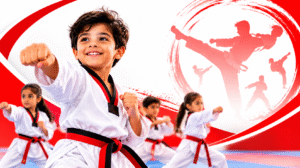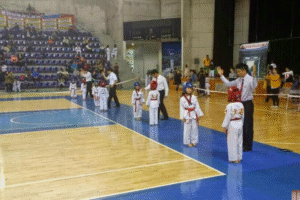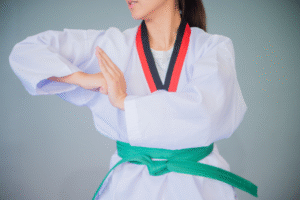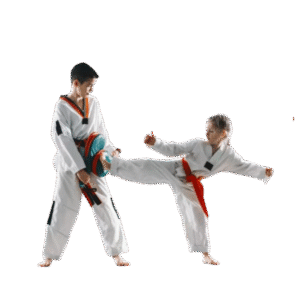

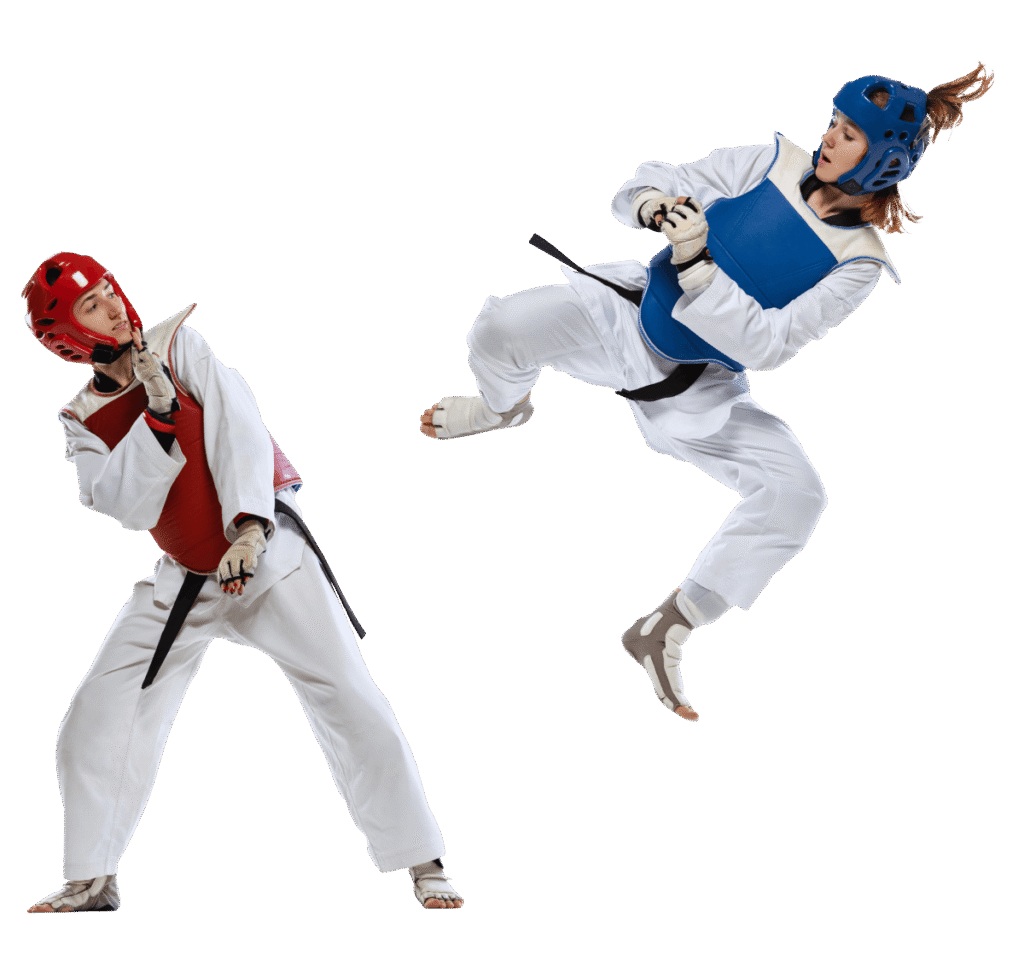

At Valiant Club, we believe that taekwondo is far more than just a martial art—it’s a holistic system that shapes character, strengthens focus, and empowers children to become their best selves. While many parents enroll their children for physical fitness or self-defense, they soon discover that the true value of taekwondo lies in the mental and emotional growth it nurtures. Through structured routines, respectful environments, and progressive goal-setting, Taekwondo builds two of the most essential life skills in children, discipline and confidence.
1. Discipline: The Core of Taekwondo Training
In every Taekwondo class, discipline forms the foundation of learning. Children begin by bowing before stepping onto the mat, it’s a gesture that symbolizes respect, humility, and readiness to learn. From the very start, they’re taught that attention, listening, and proper behaviour are part of the martial arts journey.
Unlike many sports where rules are flexible, Taekwondo thrives on structure. Classes follow a consistent rhythm: warm-ups, drills, forms (poomsae), and controlled sparring. This predictability helps children feel safe and focused. Over time, they learn to take instructions seriously, follow through on commitments, and correct their mistakes without giving up.
Each belt test represents a lesson in perseverance. Earning a new belt isn’t instant, it takes weeks or even months of effort. This process teaches children delayed gratification, an important skill for success in school and later in life. When a child realizes that discipline and effort lead to progress, they begin to take ownership of their actions both on and off the mat.
2. Confidence: Building Belief Through Progress
Confidence in taekwondo doesn’t come from being the best, it comes from consistent growth. Every child starts as a white belt, unsure and often nervous. As they practice kicks, blocks, and forms, they experience small victories that gradually strengthen their self-belief.
Each time they master a new technique or earn praise from an instructor, their confidence grows. Even small achievements ;such as maintaining balance during a high kick or performing well in a demonstration remind them that progress comes through effort. This mindset translates into schoolwork, friendships, and new experiences.
Taekwondo also helps children face fear directly. Sparring, for example, teaches composure under pressure. At first, children might hesitate to face an opponent, but with guidance and practice, they learn to stay calm, think strategically, and trust their skills. This experience builds mental resilience ,an ability to stay confident and composed in challenging situations, whether on the mat or in daily life.
3. Respect and Responsibility: The Pillars of Character
Taekwondo’s moral foundation is rooted in five core tenets they are courtesy, integrity, perseverance, self-control, and indomitable spirit. These aren’t just words recited at the start of class; they’re lived values that shape a child’s behaviour.
Children quickly understand that respect for others begins with self-respect. They bow to their instructors, maintain good posture, and listen attentively ,learning that discipline and manners go hand in hand. The dojang (training hall) becomes a miniature version of the world outside, where responsibility, kindness, and teamwork are essential.
Through repetition and routine, children internalize these values until they naturally extend them into everyday situations, helping parents at home, showing patience in class, or treating peers with kindness. These lessons build strong character and social maturity.
4. Focus, Patience, and Emotional Control
One of the most remarkable benefits of Taekwondo for children is its impact on focus and emotional regulation. Today’s world is full of distractions, and many children struggle with attention or impulsivity. The controlled movements and precise techniques of Taekwondo demand full mental engagement.
Children must focus on timing, balance, and breathing all at once. Over time, this trains their brains to concentrate better, follow sequences accurately, and stay composed even when mistakes happen. This kind of mental discipline often leads to noticeable improvements in school performance and behaviour.
Moreover, Taekwondo provides children a safe space to express and manage emotions. Instead of bottling up frustration, they learn to channel it productively through physical effort. As they train, they develop emotional intelligence ,the ability to recognize, understand, and control their feelings in positive ways.
5. Physical Fitness and Confidence in the Body
Physical development also plays a vital role in building confidence. Taekwondo enhances flexibility, strength, coordination, and endurance. As children improve physically, they start feeling more capable and self-assured.
Many children who initially feel shy or uncertain about their physical abilities gain confidence through the visible results of training—higher kicks, faster reactions, and better posture. This physical empowerment reinforces mental confidence, teaching children that their potential is limitless when they work hard and stay consistent.
Empowering Young Minds at Valiant Club
At Valiant Club, we’ve seen hundreds of children transform through the practice of Taekwondo. What begins as a fun activity soon becomes a lifelong lesson in discipline, respect, and confidence. Every class offers a chance to grow stronger—not just physically, but mentally and emotionally. By embracing the principles of Taekwondo, children learn that true strength lies in self-control, determination, and belief in one’s own potential. And that’s the kind of confidence that lasts a lifetime.