When people think of martial arts, Karate and Taekwondo often come to mind first. While they may seem similar at a glance — both involving punches, kicks, and disciplined practice — the two arts differ greatly in origin, philosophy, and technique. At Valiant Taekwondo Club, students quickly realize that Taekwondo is not just about self-defence or physical training; it’s about developing balance, confidence, and respect through the art of controlled movement and mental discipline. Whether you are a beginner or exploring Taekwondo Training for Children, understanding what sets Taekwondo apart will help you appreciate its uniqueness and long-term benefits.
The Origin and Philosophy of Taekwondo
Taekwondo originated in Korea and translates to “the way of the foot and fist.” It was developed after World War II, combining ancient Korean martial arts like Taekkyeon with influences from Chinese and Japanese styles. The philosophy behind Taekwondo focuses on harmony between mind and body, emphasizing five core tenets; courtesy, integrity, perseverance, self-control, and indomitable spirit.
In contrast, Karate originated in Okinawa, Japan. Karate means “empty hand,” symbolizing the idea of defence without weapons. Karate’s philosophy centres around precision, timing, and the balance between offense and defence. While both arts value discipline and respect, Taekwondo places more emphasis on personal growth, inner strength, and spiritual balance.
The Signature Kicks and Movements
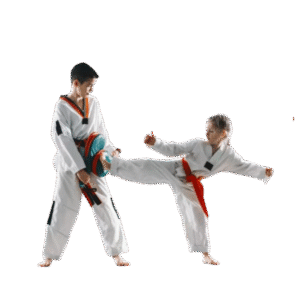
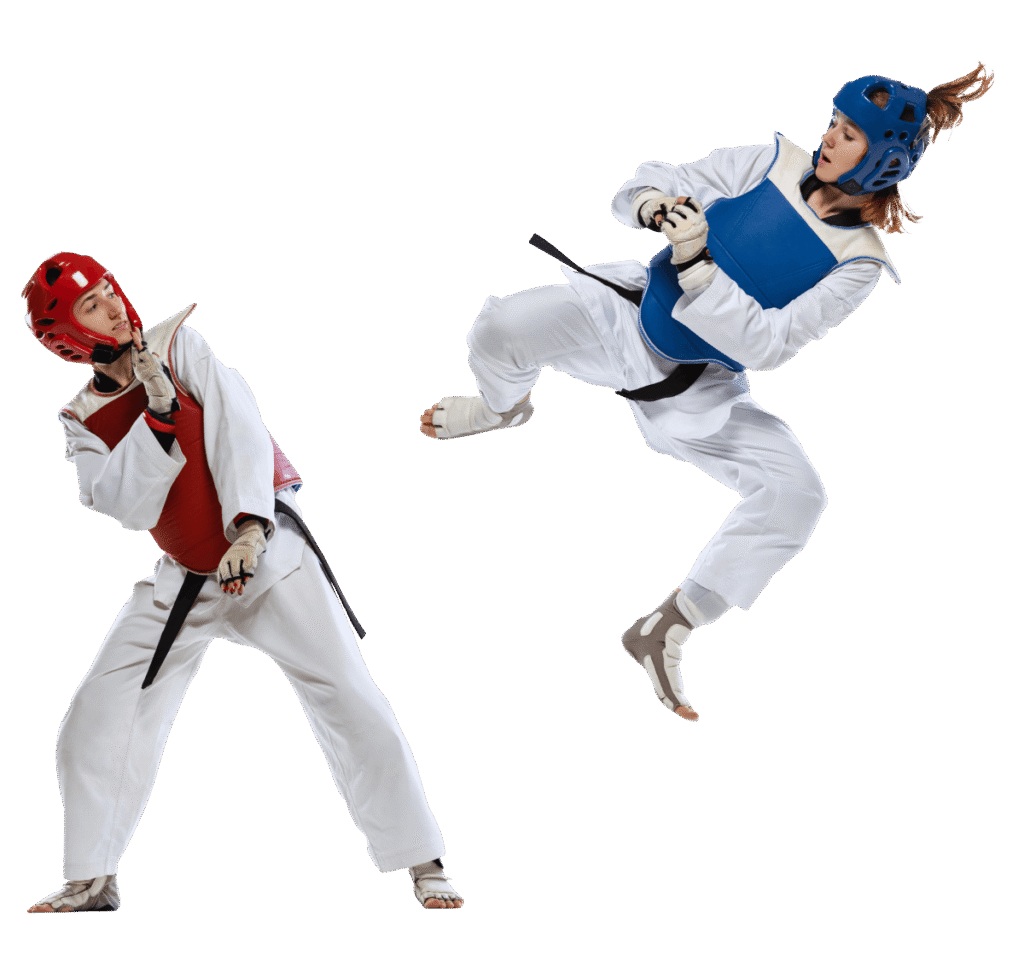
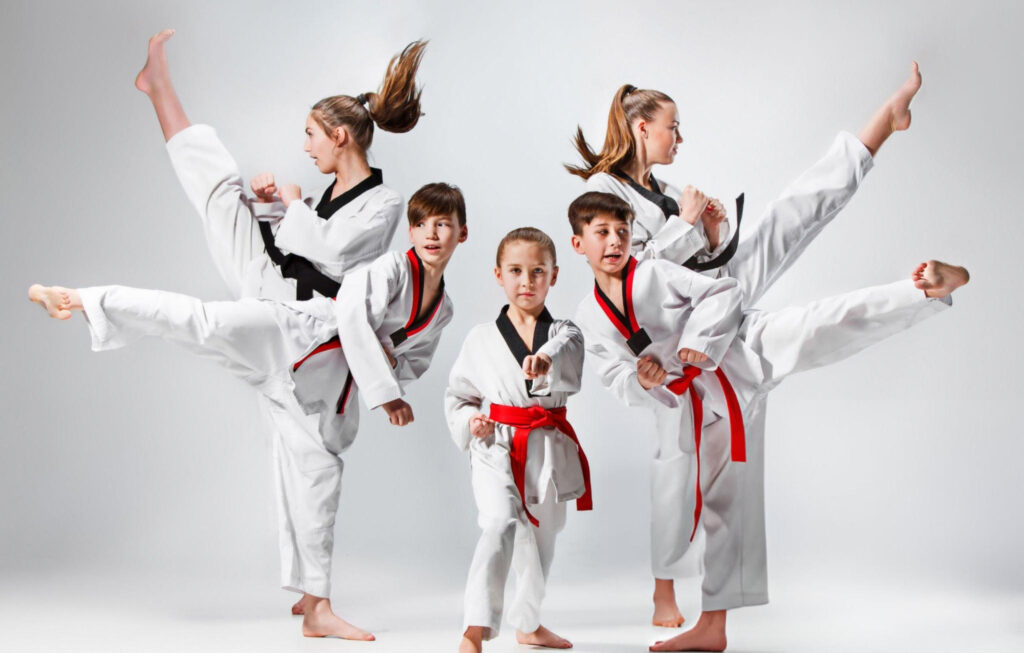
If you’ve ever watched a Taekwondo demonstration, you’ve likely noticed the high, spinning, and fast kicks , a hallmark of the sport. Taekwondo is known for its dynamic legwork, where practitioners use their feet as their main weapon. This not only enhances flexibility but also develops exceptional balance, coordination, and power.
Karate, on the other hand, relies more on hand strikes, low kicks, and grounded stances. The movements in Karate are typically short and sharp, focusing on delivering powerful blows from close range. Taekwondo’s techniques are more fluid, rhythmic, and aerial, making it one of the most visually striking martial arts in the world.
The Training Approach and Techniques
A typical Taekwondo class combines forms (poomsae), sparring (kyorugi), and self-defence (hosinsul). Forms are pre-arranged patterns of movement that help students develop muscle memory and precision. Sparring helps them apply these techniques in controlled, competitive settings, teaching timing, agility, and respect for opponents.
Karate also incorporates similar elements like kata (forms) and kumite (sparring), but the style of practice differs. Karate focuses more on strong, linear movements, while Taekwondo emphasizes fluidity, footwork, and kick combinations. This makes Taekwondo an excellent full-body workout that improves cardiovascular health, flexibility, and endurance.
Taekwondo as an Olympic Sport
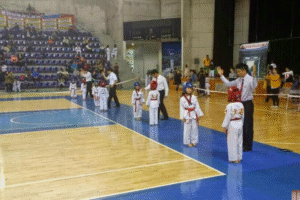
Another key difference lies in global recognition. Taekwondo became an official Olympic sport in 2000, while Karate was featured only temporarily in the 2020 Tokyo Olympics. Olympic Taekwondo matches are fast-paced and rely on electronic scoring systems that reward clean, accurate kicks to designated targets. The competitive nature of modern Taekwondo has made it a global favourite among athletes, combining discipline with high-energy excitement.
Physical and Mental Benefits of Taekwondo
Taekwondo training enhances overall fitness, strength, and flexibility. The repetitive nature of kicks, punches, and defensive movements builds stamina and muscle tone while burning calories effectively. But beyond physical fitness, Taekwondo develops mental resilience.
Students learn patience, humility, and focus, qualities that extend far beyond the training hall. For children especially, Taekwondo instils respect, discipline, and self-confidence. Parents often choose Taekwondo Training for Children because it helps young learners channel their energy positively, improve concentration, and develop strong moral values that benefit them in academics and social life.
Finding the Right Taekwondo Training Center
The quality of instruction plays a major role in your learning experience. A reputable Taekwondo Training Center provides structured programs led by certified instructors who understand both traditional techniques and modern teaching methods. At such centers, safety, discipline, and individual progress are top priorities. Students are encouraged to learn at their own pace while being motivated to challenge themselves and aim higher with every belt.
A good training environment also promotes camaraderie and teamwork. It’s not just about earning belts — it’s about personal growth, mutual respect, and lifelong learning. This is where clubs like Valiant Taekwondo Club make a real difference.
Taekwondo stands out from Karate and other martial arts because of its distinctive kicking techniques, philosophical roots, and holistic approach to physical and mental development. While Karate focuses more on hand strikes and grounded movements, Taekwondo elevates martial arts to an art form that celebrates agility, discipline, and perseverance.
At Valiant Taekwondo Club, students experience this balance firsthand, mastering technique, improving fitness, and building character with every session. Whether you’re seeking personal growth or want to introduce your child to a meaningful activity, Taekwondo opens the door to a stronger, more confident, and disciplined life.